

Steam May Soon Predict Your FPS? Here’s Why RAM and SSD Matter More Than Ever
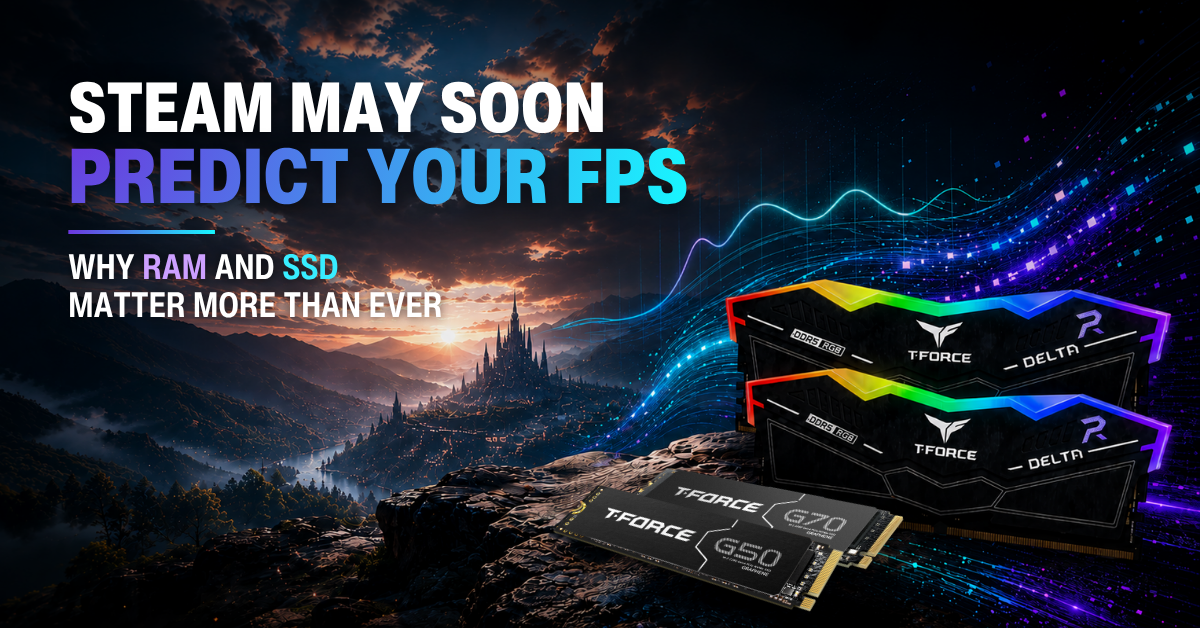
With Steam reportedly exploring a new FPS prediction system and hardware-linked review features, game system requirements may finally become more transparent for PC gamers. Instead of relying on vague recommended specs, players could soon estimate expected frame rates based on their own hardware and compare reviews from users with similar PC configurations.
This shift toward data-driven performance insights could help gamers better identify the real causes behind stuttering, frame drops, and inconsistent gameplay. With this new Steam update, rather than blindly chasing expensive high-end components, players can make smarter upgrade decisions based on objective performance data and the AAA titles they actually play, choosing the right gaming memory and SSD for a more noticeable PC upgrade.
Table of Contents
- Steam’s Major Hardware Transparency Update
- How Should Gamers Upgrade in a More Data-Driven Era?
- Conclusion
Steam’s Major Hardware Transparency Update
1. How Did Gamers Check Requirements in the Past?
For more than a decade, the main way to judge whether a game could run on your PC was to look at the “System Requirements” section at the bottom of a Steam store page. Most players were used to checking the two static lists: Minimum and Recommended specifications.
Before making a purchase, gamers would compare their own CPU and graphics card with the models listed on the page, almost like checking answers on a test, just to make sure their system was good enough.
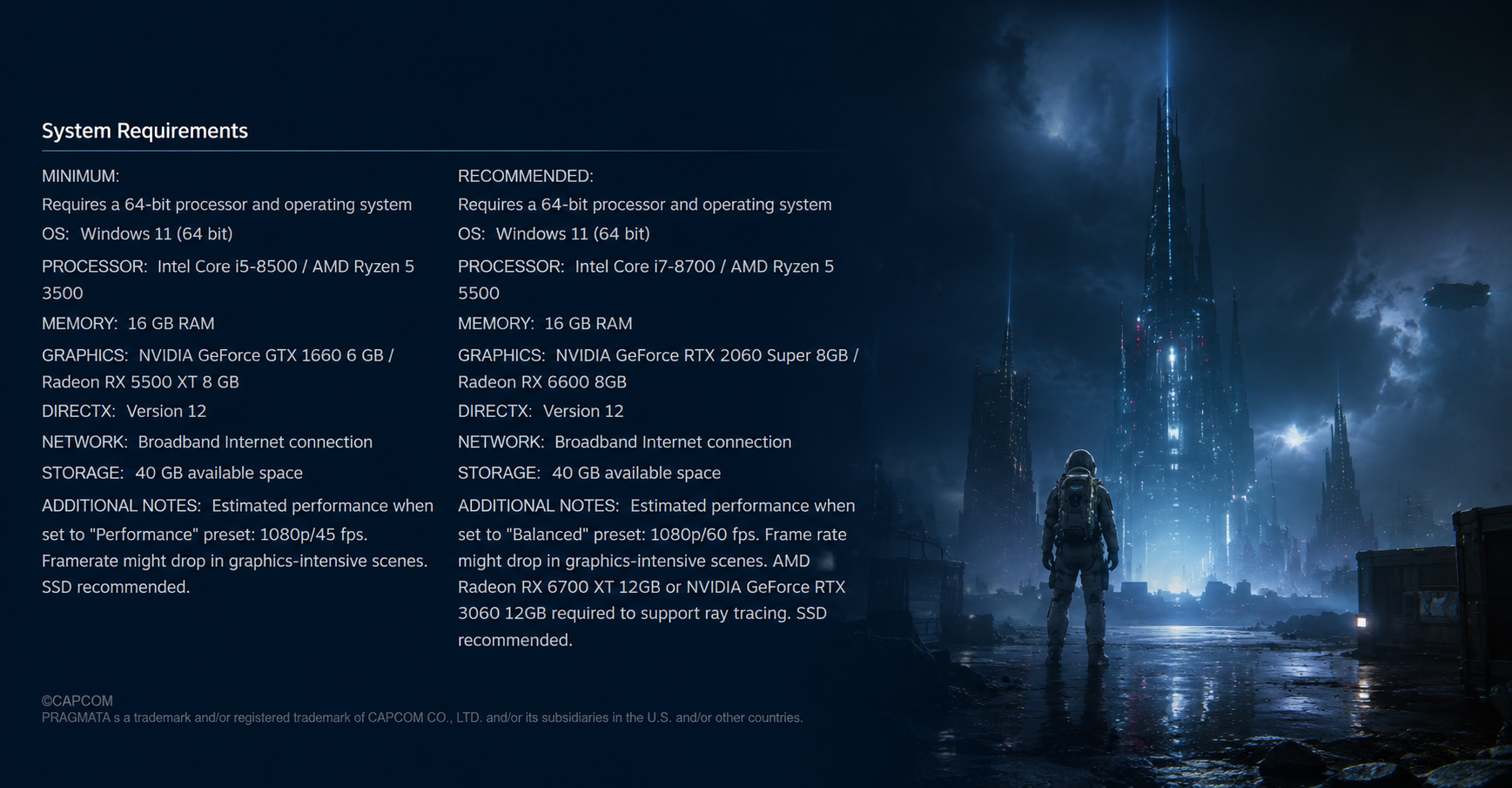
Source: https://store.steampowered.com/app/3357650/PRAGMATA/
2. The Long-Standing Problem: Information Asymmetry
However, this traditional system has always left a huge gray area. When developers list “Recommended Specs,” does that mean the game can run at a stable 60 FPS at 1080p, or does it simply mean the game is barely playable?
For players, that uncertainty can feel like a gamble. With modern games varying widely in optimization quality, even PCs that meet the listed requirements can still experience frequent frame drops or stuttering once they start playing. Many players only realize the experience is poor after purchase, which can lead to frustration and refund disputes.
3. The New Direction: Let the Data Speak
To reduce that uncertainty, Steam appears to be exploring more transparent and data-driven systems.
- Frame Estimator: By collecting real-world performance data from a large number of users, Steam could provide an estimated FPS prediction based on your current hardware configuration, helping players make more informed purchase decisions.
- Hardware-Linked Reviews: In the future, when you see a review criticizing poor optimization, the system could also display the reviewer’s hardware specifications. This means “poor optimization” would no longer be purely subjective, but supported by actual performance context and data.
How Should Gamers Upgrade in a More Data-Driven Era?
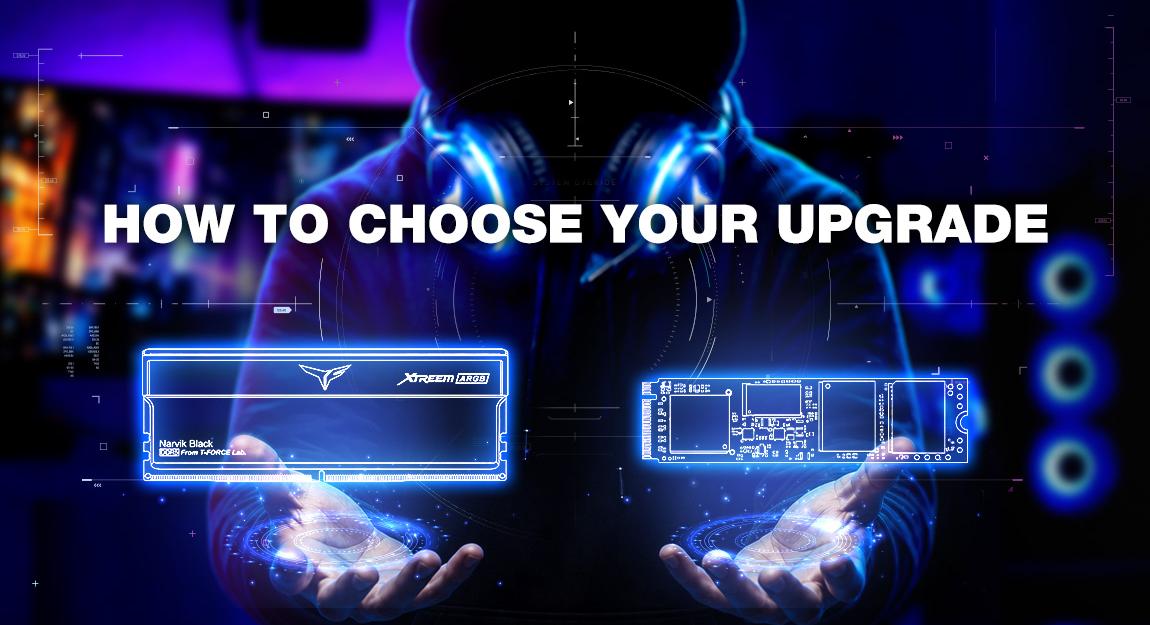
As Steam moves toward more transparent performance standards, gamers can finally make smarter upgrade decisions based on actual data instead of guesswork. Rather than blindly chasing expensive flagship hardware, players can now choose the right memory and SSD based on predicted performance results and the types of games they actually play.1. Eliminating Sudden Stutter: Why High-Speed Memory Matters
In Steam’s evolving performance tracking ecosystem and many modern hardware benchmarks, memory frequency has increasingly become one of the hidden factors behind poor 1% Low FPS performance. This directly affects sudden stuttering, inconsistent frame pacing, and unexpected frame drops during gameplay. For today’s AAA titles, DDR5 memory running at 6000MT/s is gradually becoming a standard for smoother gaming experiences.
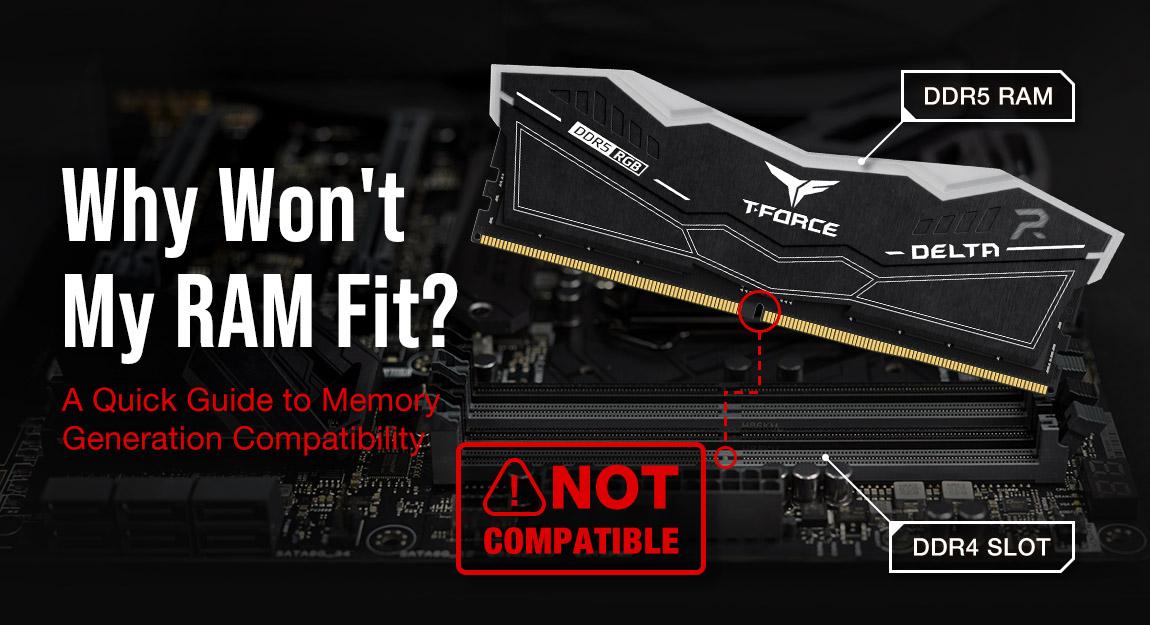
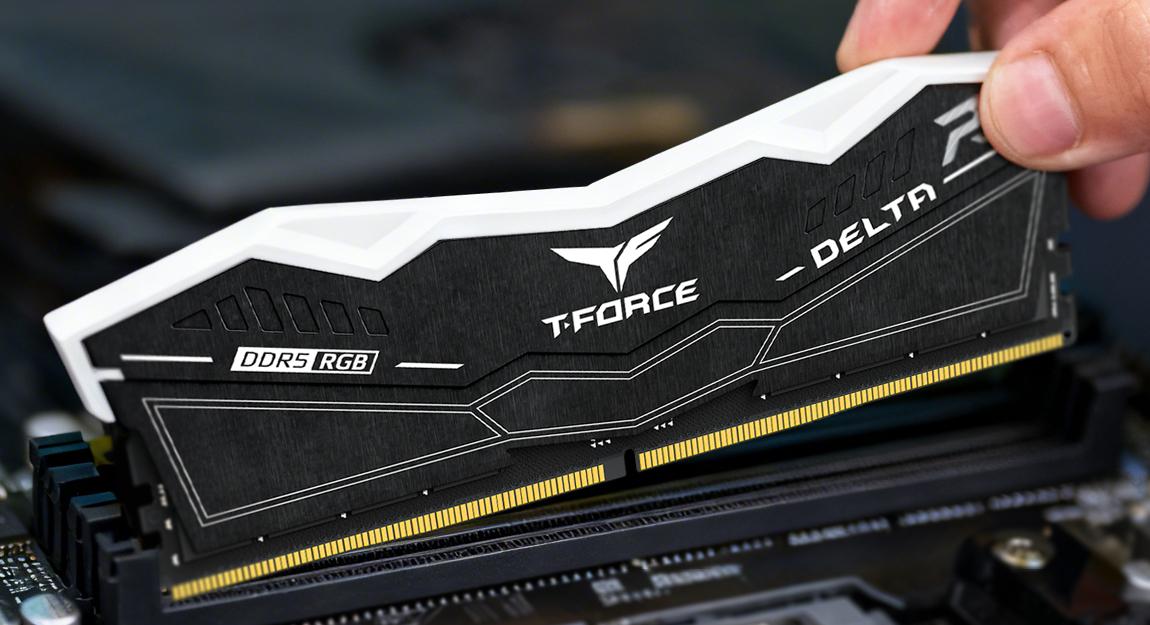
When considering a memory upgrade, products such as the T-FORCE DELTA RGB DDR5 series offer gaming-focused tuning designed for modern high-performance systems. In addition to stable high-frequency performance above 6000MT/s, larger capacities and optimized latency configurations help maintain smoother gameplay during demanding gaming scenarios, while the signature 120° ultra-wide RGB lighting adds a more immersive visual aesthetic to gaming builds.
2. Eliminating Long Load Times: The Seamless PCIe 4.0 Experience
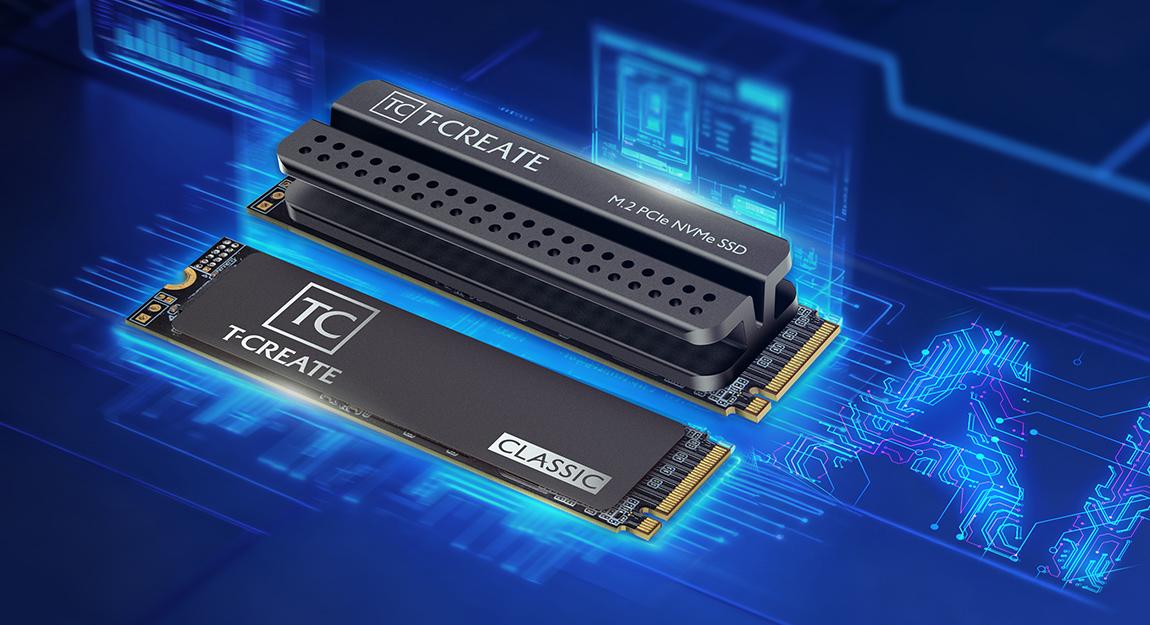
Modern games continue to grow larger and more demanding, and traditional storage devices are gradually struggling to keep up with the loading requirements of modern game engines. For gamers looking to experience near-instant game loading and smoother world transitions, upgrading to a PCIe 4.0 SSD can make a noticeable difference.
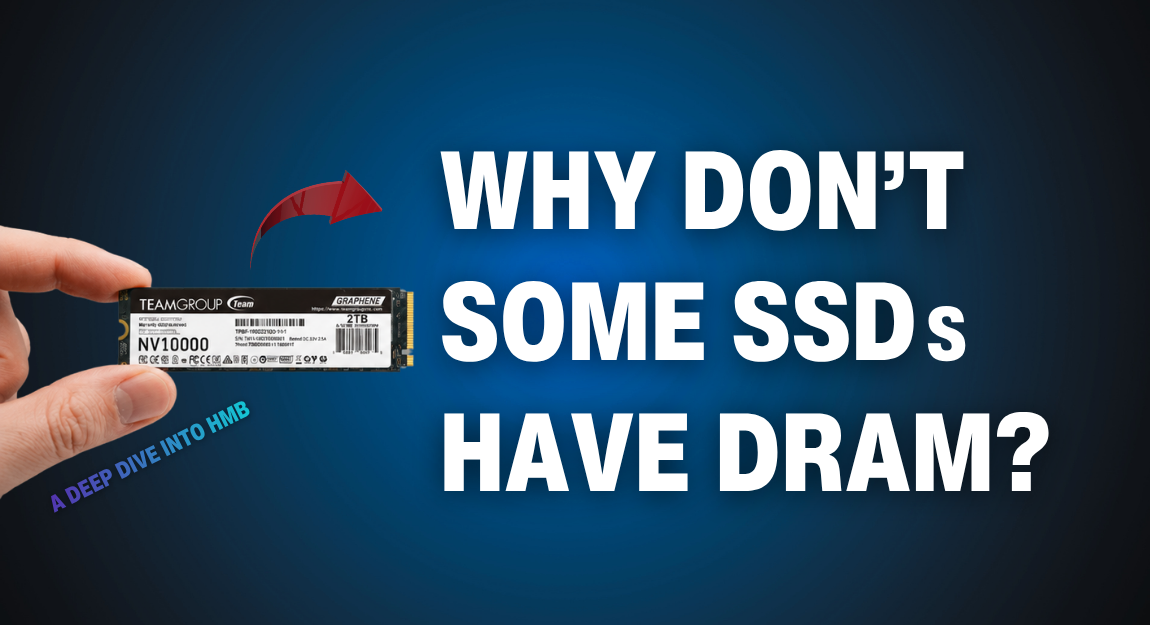
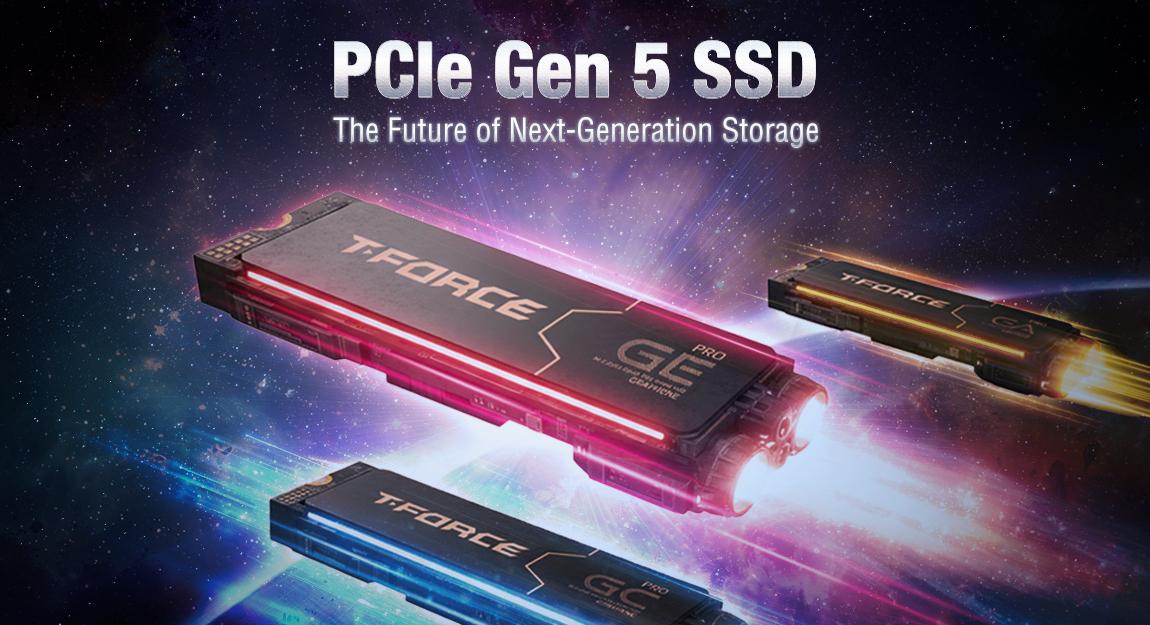
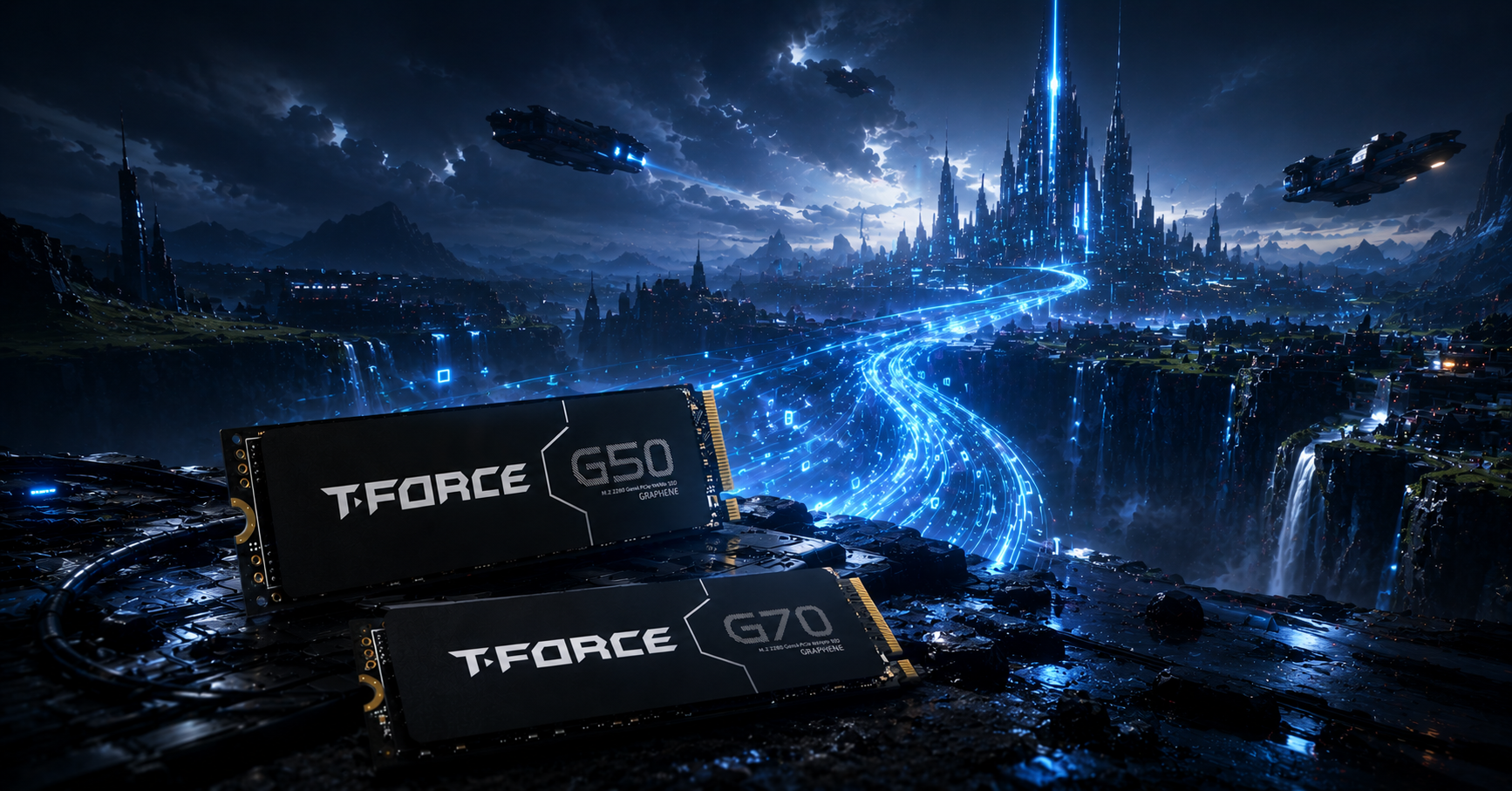
The T-FORCE G50 and G70 SSD series deliver read and write speeds ranging from 5000MB/s to 7400MB/s. This level of performance not only significantly reduces loading and transition times, but also helps prepare gaming systems for future AAA titles that rely heavily on seamless open-world streaming and fast asset loading.
3. Finding the Right Upgrade Based on Your Budget and Gaming Needs
Every gamer has different budgets and playstyles. Once players better understand Steam’s potential FPS prediction system, upgrading hardware becomes less about chasing flagship specs and more about choosing the right setup for individual gaming needs.
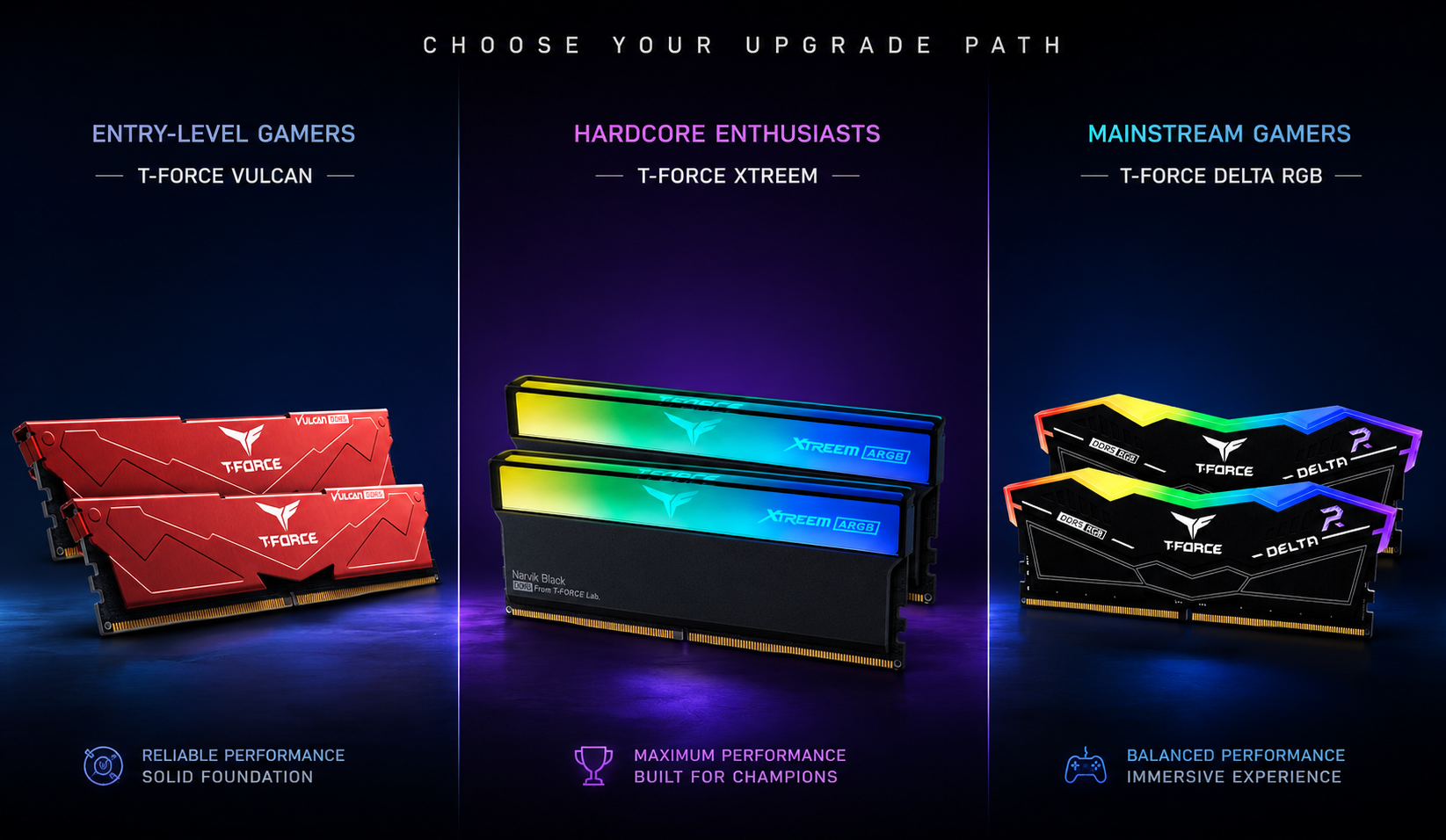
- For entry-level gamers focused on value:
The T-FORCE VULCAN series offers a reliable and durable starting point for smooth gaming upgrades. - For mainstream gamers balancing performance and aesthetics:
The T-FORCE DELTA series delivers an excellent balance between gaming performance and immersive RGB styling. - For hardcore enthusiasts chasing maximum FPS performance:
The T-FORCE XTREEM series is designed for users looking to push their systems to the absolute limit.
Conclusion
Steam’s growing focus on hardware transparency could fundamentally change how gamers approach PC upgrades. As gaming performance becomes increasingly measurable and data-driven, players can make smarter hardware decisions based on actual gaming experiences rather than vague recommended specifications.
Whether you prioritize smoother gameplay, faster loading times, or maximizing FPS performance, choosing the right gaming memory and SSD can have a significant impact on the overall gaming experience. With T-FORCE’s complete gaming product lineup, players can build systems tailored to their own gaming preferences and performance goals more effectively than ever before.